
Self defence weapons in South Africa — an overview
Understanding the legal landscape for self defence weapons in South Africa
Safety isn’t a luxury; it’s a baseline. In South Africa, concerns about street safety shape how people think about self defence weapons south africa as part of a broader protection toolkit. A seasoned security analyst reminds us that “preparation is a form of self-respect,” not paranoia, and the choice of tools should reflect community values and practical reality.
- Legal status varies by device
- Licensing and storage requirements
- Training and responsible use matter
Understanding the legal landscape for self defence weapons south africa means navigating the Firearms Control Act and related regulations. Non-lethal options such as pepper spray and personal alarms are permitted under specific rules, while firearm ownership requires licensing and compliance. The core emphasis remains on proportionality, safety, and accountability.
Popular personal safety tools commonly used in South Africa
In South Africa, personal safety is part of daily life for many urban residents. Roughly one in four people report carrying a personal safety tool at night, a trend that reflects growing awareness rather than paranoia.
Self defence weapons south africa come in a range of forms. Pepper spray, personal alarms, and compact flashlights with strobe modes are common choices for non-lethal protection. They blend practicality with approachability, letting users deter threats without escalation.
- Pepper spray or irritant
- Personal safety alarms
- Bright tactical flashlights
For many, these tools fit into a broader protection toolkit—easy to carry, simple to deploy, and aligned with community values of responsibility and safety!
Assessing personal risk to choose appropriate self defence options in SA
On the night-washed streets of South Africa, risk has a way of finding the prepared. A recent urban safety survey shows nearly 30% of city dwellers carry some precaution after sunset, a sign that prudence travels with us. When we talk about self defence weapons south africa, the frame shifts from gadgetry to judgment—tools chosen with balance, conscience, and a nod to community values.
This is not about fear-mongering but about mapping personal risk—where you go, when, and how you might respond without stirring a larger incident. The aim is clarity: to align options with law, etiquette, and everyday life, preserving dignity even in the face of darkness. The conversation remains distinctly South African in its pragmatism and sense of responsibility.
Key considerations when weighing options
- Environment, lighting, and travel patterns
- Legal boundaries and social responsibility
- Accessibility, maintenance, and ease of use
In this landscape, choices become part of a broader culture of care.
How to choose self defence weapons in South Africa
Legal requirements for ownership and use in South Africa
Choosing self defence weapons south africa isn’t something you improvise at the last moment. The right option fits your risk profile, daily routine, and the rules you must follow. A seasoned security consultant once said, “Preparation outruns panic.” The landscape is nuanced: some tools are legal with limits, some items require licences, and training matters as much as the device itself.
- Legal status and restrictions for common tools
- Training and safe handling considerations
- Storage and transport in the home and on the move
In the end, weigh what you face against what you can own and responsibly use. The goal is to balance effectiveness with compliance, ensuring any choice aligns with the prevailing legal requirements for ownership and use in South Africa. Consider durability, maintenance, and the ability to act calmly under pressure.
Training and safety considerations for beginners
Preparation outruns panic, and nowhere is that more true than when choosing self defence weapons south africa. The decision should fit your risk profile, daily routine, and the rules you must follow. A seasoned security consultant once quipped, “Preparation outruns panic”—and that mindset keeps panic away from the front door. In the end, the landscape is nuanced: some tools are legal with limits, others require licences, and training matters as much as the device itself.
Training and safety considerations for beginners shouldn’t be an afterthought. Start by examining training quality and your access to reputable programmes, then check that the option aligns with current regulations and your personal routine.
- Quality instruction from licensed providers
- Clear understanding of legal boundaries
- Safe handling and mental rehearsal in controlled environments
- Appropriate storage and transport plans
Amid all this, balance effectiveness with compliance, picking something you can act calmly on when it matters—without turning every hallway into a theatre of surprise.
Budget-friendly options for personal protection
In moments when uncertainty hums in the air, budget-friendly personal protection options deserve more than a cursory glance. The right choices blend practicality with presence—tools that can be trusted without draining a wallet. Ultimately, many begin by identifying self defence weapons south africa that align with daily routines and local rules, then grow through informed testing and mindful use.
- Pepper spray (where legal) with practical training in mind
- Personal safety alarm or whistle to summon attention quickly
- Compact tactical flashlight with a bright beam and sturdy grip
These options offer straightforward handling and peace of mind when adrenaline narrows focus. The aim is not gadgetry but confidence that can be summoned calmly in a heartbeat, allowing action that feels almost inevitable—in a good way.
Durability and maintenance of common tools
Durability isn’t a luxury; it’s the quiet nerve in moments when the room narrows and doubt flickers. When choosing self defence weapons south africa, sturdiness guides confidence as much as size or cost. Our climate—sun, dust, humidity—tests tools in pockets and on nights out, so durability must be built into design and habit. A well-maintained tool remains reliable when you need it most, turning hesitation into decisive, calm action.
Durability and upkeep become a philosophy: materials designed for resilience, closures that endure, and a mindset of mindful storage shape performance over time. In environments ranging from heat to humidity and dust, the right tool remains dependable when you need it most, and that reliability is the product of quiet, ongoing attention rather than dramatic, one-off care. That reputation—built through durability—anchors the choice of self defence weapons south africa.
Common self defence weapons used in South Africa
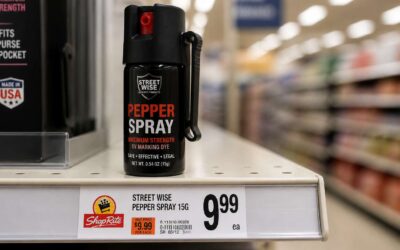
Pepper spray and its effectiveness in SA
“Every second counts,” a South African security veteran reminded me, and pepper spray often closes the gap between danger and escape. In the right hands, this tool can deter an assailant long enough to retreat or seek help.
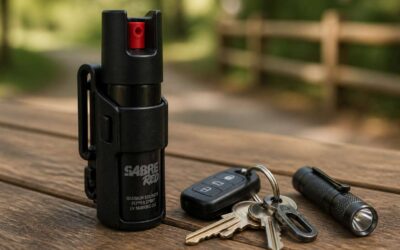
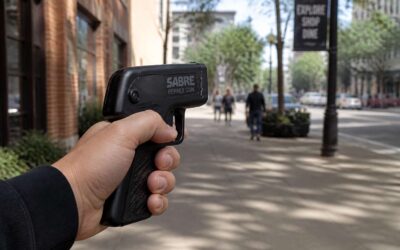
For many, pepper spray is a staple among self defence weapons south africa. Its effectiveness in SA hinges on wind, distance, and quick, decisive deployment, not theatrics. Used correctly, it creates a moment of incapacitation that buys precious seconds.
- Training and familiarity with spray canisters
- Optimal distance and wind direction
- Maintenance and accessibility when needed
Viewed through a safety lens, pepper spray symbolizes a layered approach to personal protection—readiness, awareness, and respect for the tools at hand.
Personal alarms and whistle devices
In a country where one in three pedestrians feel unsafe walking home after dark, personal safety tools are lifelines. These self defence weapons south africa sit on the edge between risk and relief, quiet guardians ready to act.
Personal alarms and whistle devices stand out for immediacy. A quick blast or shrill whistle disrupts an assailant and draws help. Consider these features:
- Portable and easy to activate with one hand
- Audible range that travels through doors and walls
- Durable, weather-resistant construction
- Compact options that fit on a keychain, bag, or bracelet
Used in a layered safety approach, these tools complement awareness, lighting, and safe routes. They provide a subtle, persistent presence that can deter trouble and summon aid when needed.
Tactical flashlights and strike tools
South African streets carry a grim stat: many walk home in the dark with more curiosity than confidence. In that reality, self defence weapons south africa often hinge on two co-stars: tactical flashlights and strike tools. A solid tactical flashlight doubles as a blunt instrument and a beacon—high lumens, a reinforced bezel, and weatherproof durability matter. It lights the way, and if needed, it can make an impression fast.
- High-lumen output for quick visibility and deterrence
- Reinforced bezel or strike point for practical impact
- Non-slip grip and compact form for one-handed use
- Weatherproof design suited to SA’s climate
Used as part of a layered safety approach, these tools complement awareness, lighting, and safe routes, helping bridge the gap between risk and relief.
Legal and ethical considerations for self defence weapons in South Africa
Justifiable use of force under South African law
“Private defence is about necessity, not bravado.” In South Africa, justifiable use of force hinges on immediacy and reasonableness. This means you can’t swing a weapon because you’re angry—you must act to stop an imminent threat, and the force used must stay proportional to the danger. No swagger, just law-abiding self preservation.
Within this framework, consider these principles:
- Proportionality: force should match the threat and not exceed what’s necessary
- Imminence: danger must be immediate or imminent to justify defence
- Accountability: be prepared to justify your actions and preserve evidence
Ethical practice means training, de-escalation, and responsible ownership. Even with a legal framework, weapons should be a last resort, carried with awareness of others’ safety and proper storage. The balance is delicate, and the law rewards prudence over bravado with regard to self defence weapons south africa.
Storage and transport rules for self defence weapons
Legal and ethical considerations anchor every decision about self defence weapons south africa. Ownership carries responsibility: the law weighs immediacy and reasonableness, while ethical practice calls for training and de-escalation before any device is carried. Storage must be secure, out of reach of curious hands, and transport should minimise risk to others in public spaces. An honest owner preserves evidence and is prepared to justify actions if challenged.
- Secure storage at home or in a vehicle, inaccessible to children or unauthorised users
- Safe transport: kept out of sight and secured to prevent accidental discharge or harm
- Clear documentation: retain receipts and any permits to demonstrate lawful possession
In every case, intent and accountability matter as much as possession. The balance between personal safety and community well-being defines responsible ownership of self defence weapons south africa, a perspective that keeps these tools as protection rather than panic-driven gear.
Potential penalties and legal consequences
Legal and ethical considerations anchor every decision about self defence weapons south africa. Owning self defence weapons south africa carries duties as heavy as the device itself. The law weighs immediacy and reasonableness, while ethical practice calls for training, de-escalation, and restraint—no superhero capes here. A clear record and honest intent can preserve more than evidence; they keep you out of the dock.
Potential penalties and legal consequences can range from fines to imprisonment, depending on the weapon and the circumstances. To navigate this maze, consider these possibilities:
- Unlawful possession of a prohibited weapon.
- Carrying a weapon without lawful justification.
- Aggravated assault or causing bodily harm with a weapon.
- Confiscation of the device and possible criminal record implications.
Documentation and lawful possession—retaining receipts and any permits—can demonstrate legitimate ownership when challenged. Intent and accountability still matter, and penalties reflect the balance of personal safety with community well-being.
Self defence without escalation: de-escalation tactics
Across South Africa, where dusk-to-dawn decisions hinge on a heartbeat, self defence weapons south africa carry duties as heavy as the devices themselves. The law weighs immediacy and reasonableness, while ethics demand training, de-escalation, and restraint—no superhero capes. A clear record and honest intent can preserve more than evidence; they keep you out of the dock and protect your community’s safety.
- Maintain distance and use a calm, clear voice.
- Offer a safe exit and avoid escalating the situation.
- Document the incident and seek lawful guidance after the event.
Self-defence without escalation is possible when you read the room: maintain space, speak calmly, and provide a path to retreat. Training builds instinctive restraint and helps justify your choices should scrutiny arise. The aim is safety for all, not victory over another.
Public spaces and weapon restrictions in urban areas
After sunset, every decision on the street carries a weighty calculus. Many rely on self defence weapons south africa, but they demand a careful balance: quick protection without overreach, immediacy tempered by reasonableness in public spaces where rules are explicit and eyes are watching. Ethical conduct, training, and restraint aren’t optional; they are the difference between safety and misjudgment.
- Public-space legality: what you can carry, where you can carry it, and how it may be deployed
- Proportional response: aligning your action with the threat and avoiding escalation
- Post-incident steps: documenting events and seeking lawful guidance to protect yourself and others
Clear records and honest intent help you navigate scrutiny and support community safety.
0 Comments