
Understanding Pepper Spray and Dogs
What is pepper spray and how it works on dogs
In South Africa’s busy streets, dog encounters trigger nerves and missteps. A Durban-based trainer says, “The moment tension rises, we all lose our footing.” That makes the question clear: will pepper spray harm a dog?
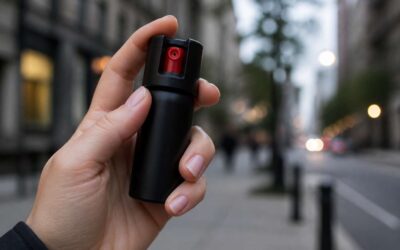
Pepper spray delivers a concentrated irritant—capsaicinoids—that inflames mucous membranes. When deployed near a dog, it can cause tearing, coughing, eye burning, and temporary disorientation. The effects depend on concentration, distance, wind, and the dog’s size; outcomes are unpredictable. It is not a guaranteed solution and carries risks for both animal and handler.
Consider these immediate responses observed in many urban settings:
- Intense eye irritation, tearing, and pawing at the face
- Gagging, coughing, and temporary disorientation
- Stress and anxiety that may prompt lingering behavioural changes
In SA, veterinarians warn that even short exposures can complicate welfare and require follow-up care. The topic remains charged among trainers, veterinarians, and lawmakers.
Active ingredients and their effects on canine physiology
Across Durban’s busy streets, a single spray can tilt a dog’s world into a storm! The active ingredients—capsaicinoids—flare mucous membranes, sparking tearing, eye burning, and a scramble of disoriented reflexes. The question of will pepper spray harm a dog remains contingent on concentration, distance, wind, and the dog’s size, weaving a volatile tapestry of possibility.
- Conjunctival irritation with tearing and eye burning
- Nasal and throat irritation leading to coughing or gagging
- Acute stress responses that may translate to lingering anxiety
In South Africa, veterinarians emphasise that brief exposures can complicate welfare and require follow-up, reminding readers that outcomes are not uniform in the urban theatre where dogs and people intersect.
Legal considerations and safety around pets
In Durban’s crowded rhythms, a dog’s sense of safety can vanish in a blink. A single mist can tilt a tail-wagging day toward chaos. Will pepper spray harm a dog? The answer isn’t a simple yes or no; it’s shaped by concentration, distance, wind, and the dog’s size.
South Africa’s legal terrain places pepper spray in a practical debate about self-defense and animal welfare. While many authorities permit its use for personal protection, misuse carries liability and welfare consequences. Regulations differ by province, and veterinarians stress that even brief exposures deserve follow‑up.
A dog owner’s circle of care means avoiding sprays around pets, prioritizing safety and humane handling over spectacle. After exposure, veterinary assessment helps ensure welfare, and mindful conduct during urban encounters can spare a dog from enduring fear and mistrust. So, will pepper spray harm a dog? The truth resides in context, care, and compassion.
Common myths about pepper spray and dogs debunked
In the bustle of Durban, a stray mist can turn a peaceful stroll into a frantic sprint. So, will pepper spray harm a dog? The answer isn’t a simple yes or no; it depends on concentration, distance, wind, and the dog’s size.
Common myths about pepper spray and dogs debunked:
- Myth: It only affects the intended target; Reality: nearby pets and curious noses can suffer exposure.
- Myth: A light spray can’t reach a dog in the wind; Reality: gusts sweep across streets and courtyards.
- Myth: Vet care isn’t urgent after a brief exposure; Reality: follow‑up helps ensure welfare and recovery.
Urban encounters demand a humane approach where safety and welfare trump spectacle, and mindful handling keeps canine nerves intact as well as the day intact.
Ethical considerations and humane handling around pets
Across South Africa’s bustling streets, the question will pepper spray harm a dog? lingers in the air, and the answer unfolds like a careful map: outcomes depend on concentration, distance, wind, and the dog’s size.
Understanding pepper spray in dog encounters invites an ethical lens. The well-being of companions mirrors our own, and humane handling around pets begins with situational awareness and respect for living spaces.
- Prioritize welfare and minimize distress for all animals.
- Respect the presence of pets in shared spaces and avoid provoking reactions.
- Seek alternatives that reduce risk and emphasize safety for bystanders.
In daily life, thoughtful behavior and calm communication anchor safer streets—from Durban to Pretoria—where curiosity should never trump care.
Effects of Pepper Spray on Dogs
Immediate physical and behavioral reactions in dogs
In South Africa’s sun-scorched parks and busy sidewalks, a single pepper spray burst can tilt a dog’s world in an instant! The moment it hits the air, calm gives way to charge, and the body responds with alarming speed.
Will pepper spray harm a dog? In discussions, the exact query ‘will pepper spray harm a dog’ surfaces often. Immediate physical and behavioral reactions unfold in rapid succession. Consider the typical responses:
- Tearing eyes, redness, and a burning muzzle
- Coughing, wheezing, gagging as airways irritate
- Pawing at the face, head shaking, retreating to shade
- Rapid panting or restless, jittery movements
- Temporary vocalization or a startled freeze
As the irritant clears, most dogs begin to relax, though the episode can leave a lingering impression on mood and behavior within the dog’s social setting.
Short-term medical concerns to monitor after exposure
“One spray, a world of fear waking.” In South Africa’s sun-scorched parks and busy sidewalks, a single pepper spray burst can tilt a dog’s world in an instant, and the question will pepper spray harm a dog surfaces with unnerving clarity.
Short-term medical concerns to monitor after exposure include:
- Burning eyes and irritated muzzle
- Coughing, gagging, or wheezing as airways irritate
- Tearing, redness, or nasal discharge
- Restlessness, rapid panting, or jittery movements
As the irritant clears, most dogs begin to relax, though the episode can leave a lingering impression on mood and behavior within the dog’s social setting.
Potential long-term effects and recovery timelines
Across South Africa’s parks and busy sidewalks, the hush after a spray can feel like a sudden frost in summer. “The mind remembers what the nose endures,” a weathered proverb reminds us, and will pepper spray harm a dog is not solely about the sting—it’s about what lingers. The body’s nerves tighten, and the world tilts, leaving a shadow that can veil daily routines long after the spray has faded.
- Lingering mucosal irritation and tear production lasting days to weeks
- Prolonged sensitivity to light and sound that reshapes social interactions
- Temporary but persistent mood shifts, irritability, or reduced appetite over weeks
Recovery timelines vary, influenced by prior health, exposure amount, and ambient calm. Some dogs restore baseline within a week; others traverse a longer corridor of weeks, during which mood and behavior gradually settle as sensory input normalizes.
Factors that influence severity: breed, size, age, health status
In the hush of a South African park, the air trembles after a spray, and a grim quiet settles like frost on fur. “The mind remembers what the nose endures,” a weathered proverb reminds us. will pepper spray harm a dog is a question that gnaws at night—answer lies in physiology, not bravado. Eyes sting, mucous membranes flare, and the world tilts in a moment of unsteadiness.
Factors that influence severity include breed, size, age, and health status. The following elements shape the toll of exposure:
- Breed and coat density
- Body size and weight relative to spray volume
- Age and existing medical conditions
- Ambient conditions and duration of exposure
Within each factor, nuance blooms: a sturdy shepherd and a delicate terrier react differently to the same gust, and an aging patient of a dog may bear lingering discomfort longer. The shadow of impact lengthens when health flags flutter, yet resilience sometimes writes a contrary ending.
When to seek veterinary care or emergency assistance
Across South Africa’s parkland and streets, the aftermath of a spray leaves a quiet tremor in the air and a dog blinking through stinging eyes. When people ask will pepper spray harm a dog, the answer rests on exposure and how quickly care arrives. Eyes burn, mucous membranes flare, and the world tilts—an urgent moment that invites a measured, professional eye rather than bravado.
If symptoms persist or worsen, seek veterinary care promptly. Signs such as heavy panting, coughing, drooling, squinting, red eyes, or difficulty breathing warrant professional evaluation. In South Africa’s diverse communities, a trusted clinic can assess airway irritation, eye trauma, and skin exposure, guiding a safe recovery.
- Persistent coughing or gagging
- Excessive drooling or pawing at the face
- Red, burning eyes or swelling
- Trouble breathing, wheezing, or collapse
Prompt transport to a vet minimizes risk and supports recovery.
Safety, Prevention, and Alternatives
Safer alternatives for managing close encounters with dogs
Safety first in close encounters with dogs hinges on calm, clear boundaries and smart choices. The question: will pepper spray harm a dog? The answer varies with size, distance, and wind, and it isn’t a guaranteed safeguard. It can cause pain and temporary disorientation—but no magic wand either.
Prevention starts long before contact. Maintain awareness, give space, and read canine signs before it escalates. Practical steps can defuse situations without spray.
- Back away slowly and make yourself smaller
- Avoid cornering or blocking a dog’s path
- Offer a distraction and retreat to a safe area
Alternatives to spraying focus on humane, non-violent management: training, muzzle use in risky zones, and safe barriers. In South Africa, consider local training philosophies and community norms, and always prioritise the animal’s welfare and your safety.
Prevention strategies for households and outdoor spaces
Safety lives in the margins where streetlamps cut through the night and dogs pace their borders. The question will pepper spray harm a dog, and the answer isn’t a curse-breaking spell. Factors of wind, distance, and a steady heart matter; the spray is not a magic shield, only a last resort with risks.
Prevention is the prelude: awareness, space, and reading canine signals before tension swells. Maintain a wider berth along routes, avoid cornering, and move with measured steps that invite retreat. In autumn air and long SA evenings, calm bodies and predictable routines reduce harm.
Alternatives Prevention strategies favor humane, non-violent management: training, muzzle use in risky zones, and safe barriers that delineate home and yard boundaries, protecting both people and pets. Local philosophies in South Africa shape how these measures are scaled, ensuring welfare remains the guiding light.
First aid steps if exposure occurs and why professional care matters
In the margins of night, safety is a stubborn discipline: will pepper spray harm a dog? The answer isn’t a curt yes or no; it’s a calculation of wind, distance, and restraint.
Prevention shapes safe spaces: I keep a wider berth, read canine signals, and pace with intention to invite retreat. In SA evenings, calm routines and clear boundaries cut risk and preserve trust.
Alternatives lean humane: training, muzzle use in risky zones, and sturdy barriers that segregate home from wild margins. Local practice in South Africa keeps welfare central while staying practical.
If exposure occurs, first aid should prioritize decontamination and then professional care—because only a veterinarian can assess airway irritation or systemic effects.
- Rinse exposed skin and eyes with clean water.
- Remove contaminated clothing; avoid rubbing.
- Consult a veterinarian promptly for assessment.
Legal, Ethical, and Responsible Pet Ownership
Local and national regulations on pepper spray possession and use
Across small South African towns, the question still rings after a close encounter: will pepper spray harm a dog, and what rules govern its use? Regulations sit at the crossroads of public safety and animal welfare, with national guidelines layered by provincial bylaws. Rural residents especially want clarity on who may carry OC spray, where it’s permissible, and how it must be stored to prevent mishaps in the yard or the veld. I’ve seen neighbors pause, talk to authorities, and weigh care for animals over quick fixes—”Safety is not optional when animals and neighbors share the space,” says a local farmer.
- National and provincial regulations governing possession and use
- Minimum age, training, and responsible handling expectations
- Safe storage, transport, and disclosure to others
Ultimately, ethical ownership means prioritising humane options and seeking professional advice when in doubt, valuing the pet’s welfare as part of rural life and community.
Responsible use guidelines for handlers, owners, and professionals
“Safety isn’t optional when animals and neighbors share the space,” a local farmer reminds us as the sun sinks over the veld. Across small South African towns, many still ask: will pepper spray harm a dog? The question lives at the crossroads of public safety and animal welfare, where responsible use matters as much as prevention.
Legal and ethical ownership means more than grabbing a can. For handlers, owners, and professionals, responsible use guidelines emphasize restraint, clear purpose, and respect for animal welfare. The following principles help frame decisions:
- Prioritize humane handling and seek non-violent alternatives where possible
- Store and transport securely to prevent mishaps in yards and veld
- Respect local regulations and disclose usage to household members and neighbours
Ultimately, the aim is to preserve trust within communities while safeguarding animals. When in doubt, professional advice and evidence-based care remain essential in addressing encounters with dogs.
Environmental and public safety considerations in communities
In the veld’s quiet evenings, a single bark can ripple through a town, and I’ve learned that safety in shared spaces is a daily commitment. Across South Africa’s rural communities, responsible pet ownership frames trust, courtesy, and peaceful coexistence.
Legal and ethical ownership goes beyond a purchase and a can. People ask: will pepper spray harm a dog, and the answer depends on context, intent, and welfare considerations. Local rules shape how households store, transport, and disclose its use to neighbours and visitors.
- Humane handling remains the baseline; avoid escalation wherever possible
- Secure storage and clear labeling to prevent mishaps
- Open communication with household members and neighbours about any defensive use
Ultimately, the aim is to nurture trust within communities while safeguarding animals, so conversations—not fear—guide our choices and boundaries at gate and yard.
Documentation and reporting when an incident occurs
In South Africa’s quiet towns and open plains, safety is written as much in paper as in practice. People ask, will pepper spray harm a dog, and the answer depends on context, welfare, and the honesty of record-keeping. Legal, ethical, and responsible pet ownership means documenting incidents thoroughly and reporting them with care, so neighbours and visitors stay informed and trust endures. A well-kept trail of notes turns a moment of tension into a shared commitment to welfare.
Essential documentation after an incident includes:
- Date, time, and location of the encounter
- Names and contact details of witnesses
- Notes from a veterinary or medical professional if exposure occurred
- Regulatory notifications or communications with landlords or neighbourhood associations
When records exist, families and municipalities navigate disputes with clarity, and animals receive consistent welfare consideration. This discipline strengthens community bonds and aligns with South Africa’s animal welfare ethos.


0 Comments