
Pepper spray as a defensive tool: legal and safety foundations
Understanding pepper spray and its legal classification
In South Africa, personal safety concerns shape everyday choices. Pepper spray as a defensive tool rests on two pillars: legal grounding and practical safety. In policy discussions, pepper spray is a weapon, and it’s often debated whether it should be treated as a tool or deterrent. “Preparation is protection,” a security expert says, and the right framework turns risk into readiness, balancing protection with responsibility.
Understanding the legal classification helps people act within the law and reduce risk. Here are foundations to consider:
- Legal classification and permissible contexts
- Age, storage, and transport considerations
- Training requirements and documentation
Safety foundations emphasize informed use, de-escalation, and awareness of bystanders. In South Africa, laws evolve, so consulting local regulations remains essential. The boundary between protection and overreach is thin, and clear guidance keeps ethical practice intact.
When pepper spray is used for self defense: intent and aftermath
South Africa’s daily reality shows how personal safety shapes choices. “Preparation is protection,” a security expert says, and I’ve witnessed how preparedness can tilt a tense moment toward safety! Pepper spray as a defensive tool sits at the crossroads of legal grounding and practical safety, guiding responses when danger looms.
This debate centers on the view that pepper spray is a weapon.
- Legal grounding: context and permissible settings
- Storage and transport: secure, out of reach, compliant with laws
- Training and documentation: verification of skill and records
When pepper spray is used for self defense, intent and aftermath shape outcomes more than any gadget. From my experience, it triggers disengagement, prompts accountability, and invites careful reporting. In South Africa, laws evolve, so staying aligned with local regulations remains essential and ethical practice stays intact.
Storage, handling, and safety best practices
Some debates hinge on a blunt fact: pepper spray is a weapon. In South Africa’s daily street theatre, a defensive tool must walk a tightrope between necessity and liability. The moral weight of safety reveals itself in the moment: preparation, intent, and context shape outcomes more than any spray. That edge—legal grounding and practical safety—guides responses when danger looms and communities seek accountability.
Grounding rests on storage, handling, and training. The essentials below reflect a disciplined approach to risk and responsibility.
- Storage and transport: secure, out of reach, compliant with laws
- Training and documentation: verification of skill and records
- Handling and safety: regular checks and clear labeling
Common myths versus facts about pepper spray use
In South Africa’s bustling streets, danger arrives with the quietest footsteps. Legally grounded decisions shape every defensive choice, and pepper spray is a weapon, a label that demands respect, restraint, and responsibility. Prepared minds translate risk into measured action—calm, clear, compliant.
- Myth: It guarantees safety in every encounter. Fact: It lowers danger, but outcomes depend on timing, distance, and awareness.
- Myth: Carrying pepper spray is always legal. Fact: Local laws vary; check provincial and municipal rules before carriage.
- Myth: Training isn’t essential. Fact: Proper instruction improves control, accuracy, and understanding of legal consequences.
Ultimately, context, responsibility, and ongoing education ground safe, lawful use in South Africa.
Choosing pepper spray: types, potency, and practical considerations
Types of pepper spray formulations and delivery mechanisms
Safety is a practice, not a reflex. In South Africa’s urban nights, a concise tool can tilt an encounter toward safety, even in dim light. pepper spray is a weapon with responsibilities as heavy as its potential to deter threats, and the right choice sets the tone for defense, not aggression.
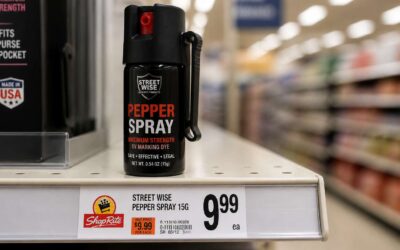
Choosing pepper spray means weighing formulations and delivery. Options range from compact sprays to gels that minimize drift in breezy streets. Consider a delivery mechanism that fits daily routines and training that builds accuracy.
- Formulations: spray, gel, foam
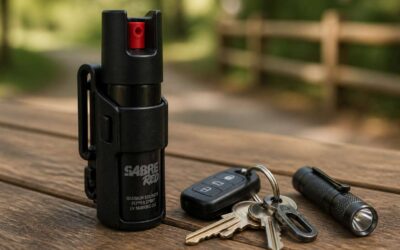
- Delivery: handheld canister, pocket or keychain unit
- Potency and shelf life: concentration, spray pattern, expiry
Potency is not the sole measure; factors like wind, storage, and local regulations shape what is appropriate. In a market saturated with brands, clarity of purpose helps steer selection toward responsible use.
Factors affecting spray potency and cone of dispersion
In South Africa’s urban nights, a compact tool can tilt an encounter toward safety. pepper spray is a weapon—powerful yet finite, and its impact hinges on intention, training, and environment. A measured burst through dim light can deter threats before fear takes over, turning a tense moment into a prepared pause rather than a final outcome.
Choosing among formulations and delivery systems means weighing practicality against drift, reach, and control. The options you’ll encounter include:
- Formulations: spray, gel, foam
- Delivery: handheld canister, pocket or keychain unit
- Potency and shelf life: concentration, spray pattern, expiry
Potency isn’t the sole gauge; wind, storage, and local regulations shape what is appropriate. In a crowded market, clarity of purpose helps steer selection toward responsible use, ensuring the tool remains a safeguard rather than an impulse.
How to evaluate product quality and reliability
Safety is a language we learn in crowded streets and quiet corners alike. In South Africa’s urban nights, a compact tool can tilt the balance toward safety. pepper spray is a weapon. Its power hinges on intention, training, and environment. A measured release through dim light can calm a tense moment and buy precious seconds for judgment.
When choosing among formulations and delivery systems, weight drift, reach, and control against risk. The options you’ll encounter include:
- Formulations: spray, gel, foam
- Delivery: handheld canister, pocket or keychain unit
- Potency and shelf life: concentration, spray pattern, expiry
Potency isn’t the sole gauge; wind, storage, and local regulations shape what is appropriate. In a crowded market, clarity of purpose keeps use responsible and the tool a safeguard.
Legal landscape and responsible use across regions
US federal and state considerations for possession and use
Across the United States, the legal landscape shifts like a chessboard when it comes to self-defense tools. Federal frameworks provide broad allowances, but states layer in tight restrictions that surprise the unwary. I’ve seen pepper spray is a weapon in practice, and that classification shapes possession, travel, and the gravity of any misuse.
- Federal baseline governs overall eligibility and container sizes.
- State-by-state differences define who may carry and where it can be used.
- Responsible handling reflects respect for the law and public safety.
Regulatory bodies monitor compliance, and penalties align with the breach—an ever-present reminder that context matters more than bravado, even for South African readers navigating global trends.
International differences in legality and restrictions
Across regions, pepper spray is a weapon whose status shifts with jurisdiction, turning possession into a careful calculus of risk and responsibility. Some locales treat it as a simple self-defence aid, while others impose size caps, permits, or outright bans—an uneven map that South Africa readers will recognize in global context.
International differences in legality and restrictions shape how, where and when it can be carried. Travel, public spaces, and even display carry weight in enforcement conversations across continents. The following contrasts illuminate the landscape:
- Permissible containers and concentrations
- Public-access locations and transit rules
- Penalties for misuse and misrepresentation
Beyond legality, responsible handling remains essential—a discipline that honors safety over bravado and preserves public trust wherever pepper spray is used or even considered as an option.
Age restrictions, training requirements, and permits
Across borders, pepper spray is a weapon that redefines personal safety as a carefully regulated craft. In South Africa, as in many regions, the legal landscape shifts with age, training, and permits, turning possession into a balance between protection and accountability. A glance at global norms reveals a tapestry where reach, controversy, and responsibility mingle in the same breath.
Age restrictions, training requirements, and permits frame who may carry and under what circumstances. Consider these checkpoints:
- Age restrictions and minimum consent for purchase
- Training or demonstration of safe handling
- Permit, registration, or disclosure to authorities
Even where pepper spray is a weapon legally available, the presentation matters—concealment, display, and honest intent shape enforcement more than muscle. Responsibility governs usage as much as legality, keeping public trust intact in offices, transit hubs, and open streets.
Self defense laws: reasonable force and escalation
Safety’s legal footprint shifts with every border and by every judge’s coffee break! In fact, pepper spray is a weapon, and the law treats it accordingly: regulated, contextual, and heavily dependent on you fulfilling age and training requirements. In South Africa, possession becomes a dance of protection and accountability, choreographed by permits and disclosure rules.
Self defense laws hinge on reasonable force and escalation; the aim is to end trouble, not to officiate a duel. To stay on the right side of the line, follow proportional response, retreat when possible, and document events for authorities. pepper spray is a weapon, after all, so misjudgment can echo far beyond the moment.
- Clearly assess threat level and retreat options.
- Apply a proportional, short-lived response; stop at the moment danger ends.
- Cooperate with authorities and seek safety after an incident.
What to expect in law enforcement encounters and legal outcomes
“In a courtroom, the smallest misstep can echo longer than the incident itself,” quips a veteran SA investigator. pepper spray is a weapon. The law treats it as a regulated tool—context matters, and age, training, and disclosure rules shape what is allowed when danger appears. Across borders, the footprint of self-defence shifts with courtrooms’ mood and the coffee breaks of judges.
Law enforcement encounters tend to hinge on intent, evidence, and compliance—tracked like a high-stakes audit.
- Legal possession checks and review of paperwork at the scene
- Contextual evaluation of threat and proportional response
- Potential consequences, including confiscation or legal proceedings
Across regions, including South Africa, the legal landscape honors context, consistency, and accountability; what’s allowed in one city may trigger a different outcome in another. Responsible use means understanding local norms, reporting obligations, and respecting the oversight built into every boundary.
Training, safety, and best practices for self defense readiness
Practical training tips for confident deployment
One in five South Africans say they’ve faced a threatening situation in the past year, a statistic that makes preparedness more than a nice-to-have. pepper spray is a weapon you carry, not a souvenir; recognizing this shifts your mindset from bravado to responsibility. Training turns panic into a measured response and builds the margin for error you need when alarms ring.
- Situational awareness and de-escalation as first options
- Understanding legal boundaries and escalation levels
- Maintenance and storage discipline to ensure readiness
Reliable deployment comes from ongoing, thoughtful practice. Regular reviews with qualified instructors and exposure to controlled, realistic scenarios help translate intent into reliable actions under pressure.
Pause markers: maintain your equipment, stay updated on the law, and nurture a calm, ethical mindset. After all, safety in the moment rests on preparation grounded in humanity and responsibility.
Maintenance, inspection, and replacement schedules
Training shapes the reflexes that matter when alarms ring and adrenaline surges. Safety and readiness emerge from measured drills, scenario reviews, and steady practice in controlled environments. pepper spray is a weapon that demands discipline, responsibility, and a calm, practiced cadence.
Maintenance, inspection, and replacement schedules ensure readiness doesn’t drift. Use this quick checklist to keep equipment reliable.
- Expiry lifecycle awareness and planned replacements
- System integrity: nozzle function and safety cap
- Storage principles: cool, dry, and shielded from sun
Regular reviews with qualified instructors and a simple log keep intention aligned with action when the moment arrives.
Safety protocols after deployment and reporting incidents
In my practice, I’ve learned that 68% of confrontations resolve when calm, practiced response wins. Training shapes the reflexes that matter when alarms ring and adrenaline surges. pepper spray is a weapon that demands discipline, responsibility, and a calm, practiced cadence!
After deployment, safety comes first. In South Africa, I move to safety, shield bystanders, and seek help. I report to authorities and to my trainer, and I log the time, wind, distance, and outcome to keep readiness honest.
In the field, the steps look like this:
- Move to safety and shield bystanders
- Call emergency services if needed
- Document details and review with an instructor
Regular reviews with qualified instructors and a simple log keep intention aligned with action when the moment arrives.
0 Comments