
Pepper spray safety and defense fundamentals
Understanding how pepper spray works
In South Africa’s busy streets, seconds count when safety feels optional and a compact canister promises peace of mind. Pepper spray safety and defense fundamentals start with calm awareness and good judgment.
Pepper spray works by releasing a capsaicinoid irritant that stings eyes and airways, giving you a window to move away. For pepper spray self defense, understanding how this irritant behaves is the baseline of smart preparation.
- Know local laws and product guidelines
- Store safely and check expiry
- Acknowledge wind and bystanders
Pair this knowledge with respect for others and local regulations, and you craft a prudent safety reflex rather than bravado.
Target areas and spray patterns
On the dim sidewalks of South Africa, seconds decide safety, and a modest canister glints like a talisman. Pepper spray self defense is not bravado; it is a quiet pact with the clock, giving you a moment to retreat while the night wrestles its breath back.
Aim toward the threat’s midline, not at the ground or nearby bystanders; when unleashed, the irritant forms a cloud that stings eyes and breath, creating distance and time to step away. Wind direction matters—the spray can drift and return, turning a momentary shield into misdirection if unchecked.
Respect local regulations rather than chasing bravado; store in a cool, secure place, monitor expiry dates, and keep awareness high in crowded streets.
Training and practice safety
Two seconds can decide safety on a dim South African street; pepper spray self defense is less bravado than a practiced calm. Training shifts the moment from panic to plan, enabling space creation and purposeful stepping back. A quiet pact with the clock, it rests on awareness, restraint, and responsible ownership more than any flourish of bravado.
Key safety fundamentals in practice include:
- Train with a qualified instructor to build muscle memory
- Regularly assess and store your spray in a cool, secure place and monitor expiry
- Understand local regulations and legal implications of possession
- Practice awareness and avoidance as the first response
That discipline embodies readiness, restraint, and lawful conduct.
Decontamination and aftercare
Decontamination and aftercare are the quiet closing act of pepper spray self defense. They focus on reducing lingering irritation and letting your body recover with minimal disruption, even on crowded South African streets. The aim is calm return, not bravado—awareness in motion after the spray fades.
- Residue management and exposure reduction
- Symptom observation and hydration considerations
- Professional guidance when needed
In the aftermath, monitor symptoms and seek professional advice if irritation or breathing difficulty arises. The discipline of responsible ownership isn’t finished until recovery is complete.
Choosing a pepper spray product
Formulations and delivery mechanisms
Smart choices matter in pepper spray self defense. In South Africa, the right product can stop a threat in seconds and keep the scene calm.
Formulations vary: some blends rely on capsaicinoids alone, others mix with saline carriers. Options range from compact, pocketable cans to larger units designed for steadier handling in breeze.
Key differences to compare include:
- OC concentration and expected effect
- Delivery pattern options: stream, cone, or gel
- Propellant choice and wind resistance
- Legal compliance and portability within SA
Delivery mechanics—stream, cone, or gel—shape effectiveness in real-world conditions, with wind and proximity influencing performance. Safety considerations stay paramount and product quality should guide the choice.
Carry options and accessibility
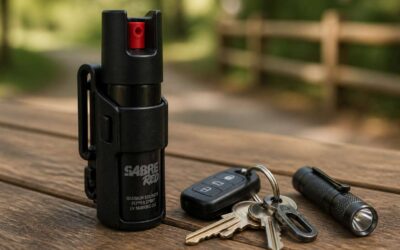
Choosing a pepper spray product is not merely a purchase; it’s a quiet pact with your evening walks. In South Africa, the right carry can turn an escalating moment into a controlled pause. A compact can on a keyring keeps your pepper spray self defense ready at a moment’s notice, while a belt- or pocket-hugging unit offers steadier access in windy surrounds. The goal is readiness without spectacle, a subtle safeguard you hardly notice until you need it.
- Keychain spray for quick reach
- Pocket-sized can for stealth access
- Belt holster or clip for stable handling
- Purse or bag attachment for everyday carry
Accessibility and portability within SA shape how you respond, not just whether you have force at hand. The best choice merges practicality with confidence, ensuring pepper spray self defense remains a reliable, easy option rather than a cumbersome ritual.
Capacity and durability
Night walks deserve a silent, steady guardian. In pepper spray self defense choices, capacity and durability sit at the heart of trust. A well-sized can delivers enough spray to deter a threat, without becoming a weight on the palm or a fragile chore to maintain. The right model ages gracefully in SA heat and dust, ready when you need it.
- Capacity: number of actuations and spray length
- Durability: weatherproof seals and rugged body
- Mechanism: reliable trigger and safety features
Pick a design that feels invisible yet dependable, a companion you barely notice until needed. The pepper spray self defense mindset thrives on balance: compact enough for everyday carry, sturdy enough to survive in windy city pockets, and simple enough to deploy under stress.
Safety features and user experience
Urban South Africa moves with a brisk rhythm, and a safety survey says nearly one in three city dwellers regard protection gear as essential. In pepper spray self defense terms, the guardian should vanish into your hand—until it doesn’t. Choose a model that’s invisible yet dependable: compact for daily carry, rugged against heat and wind, and simple to deploy when needed.
- Safe activation with a safety lock or flip-top
- Weatherproof, rugged body for heat and wind
- Ergonomic grip and intuitive trigger under stress
Beyond hardware, the user experience matters: legible labeling, a dependable safety catch, and a pocket-friendly form factor. When you reach for it, confidence—not second-guessing—should be your default even in windy corridors. A thoughtful choice feels almost invisible, yet ready to meet a moment with steady reliability.
Safe deployment and incident response
Deescalation and escape planning
Two seconds can decide a confrontation! Safe deployment and incident response for pepper spray self defense hinge on calm steps and clear choices. When you stay composed, you control the moment and protect bystanders.
Deescalation and escape planning put distance between you and danger. A calm, even tone, awareness of exits, and a prepared path to safety guide actions before a spark becomes a flash.
- Distance and space as a de-escalation factor
- Calm, concise communication to deter escalation
- Environment awareness and escape psychology
Practice makes this instinctive. Versatile planning, calm timing, and a focus on escape keep you in control when danger nears.
Deploying under stress and environmental factors
Two seconds can decide a confrontation, and the way you deploy under pressure shapes the outcome. In pepper spray self defense, safe deployment hinges on calm steps and clear choices, preserving bystander safety while you create distance.
Under stress, the environment becomes as critical as any hesitation. Reading factors in the moment keeps you ready without widening risk.
- Wind direction and gusts that carry spray away from you or toward bystanders
- Crowd density, obstacles, and possible shelter paths
- Lighting and visibility impacted by sun, shade, or glare
- Surfaces and terrain that affect footing and control
In this tense calculus, focus, posture, and a calm cadence help you navigate the moment with dignity and responsibility.
Wind awareness and distance management
Two breaths and a precise pause can redraw the arc of danger in pepper spray self defense. When pressure climbs, calm deployment becomes less a reflex and more a shield—preserving bystander safety while restoring distance. In this moment, wind, light, and terrain aren’t afterthoughts but instruments guiding responsible action.
I keep a quiet mental map, watching wind direction and the space I need to step back. I treat distance as dignity—enough room to maneuver without turning risk inward.
- Wind direction and gusts: track plume flow to avoid carrying spray toward you or bystanders
- Distance and retreat: maintain a clear gap to allow safe deployment and quick withdrawal
- Lighting and visibility: ensure you can see the path and target area
- Obstacles and footing: choose a route with solid footing and few tripping hazards
Measured, respectful use reinforces pepper spray self defense as a last, responsible option rather than a reflex.
Post-incident steps and record keeping
When the dust settles, I treat post-incident steps as part of the spellbook of pepper spray self defense. A calm ledger of what happened preserves safety, legitimacy, and the memory of how courage met consequence. In these moments, I observe, record, and decide with care, letting the story end where it began—with responsibility and restraint.
Post-incident steps and record keeping are not grand theatrics but careful discipline. I document essentials with measured strokes:
- Time, place, weather, and who was involved
- Sequence of events and any actions taken
- Evidence preservation: notes, photos, and witness contact details
These records mature into a private record of responsibility, guiding future training and fostering trust with communities and authorities.
Legal, storage, and ongoing training
Legal considerations and geographic restrictions
Legal clearance isn’t optional—it’s part of the safety kit. In South Africa, pepper spray self defense is permitted under rules that vary by city. Know where you can carry and what counts as lawful use—no capers, just compliance.
Storage matters. A canister kept in a cool, dry place, ideally locked away from children, integrates smoothly with safe handling. Expiry dates are a consideration, and original packaging is often kept during transport.
- Lockable cabinet placement reduces access by children and pets
- Cool, dry environment helps prevent degradation from heat and moisture
- Expiry dates should be noted and products replaced as needed
Ongoing training helps keep things legal and effective. Annual refreshers with a certified instructor, updates to local laws, and scenario-based drills in a safe environment support readiness. Your future self will thank you.
Storage, access control, and maintenance
Across South Africa, awareness of personal safety tools has surged, and pepper spray self defense sits at the center of pragmatic preparation. Legal clearance isn’t optional—it’s part of the safety kit, ensuring you can carry and use within local rules.
Storage matters as much as the device itself. A canister belongs in a lockable cabinet, in a cool, dry place, away from children. Expiry dates should be noted, and original packaging kept for transport to preserve integrity.
Maintenance and access control go with readiness. Consider these core elements:
- Lockable cabinet placement reduces access by children and pets
- Cool, dry environment prevents degradation from heat and moisture
- Regular expiry and packaging checks are maintenance
Ongoing training anchors the practice. Annual refreshers with a certified instructor, updates to local laws, and scenario-based drills in a safe environment support readiness and ensure lawfulness when action is needed.
First aid and medical considerations
In a world where danger can arrive from the ordinary, pepper spray self defense hinges on legality as much as readiness. Legal clearance isn’t optional—it’s part of the safety kit. Proper storage and ongoing training keep the tool reliable, while first aid and medical awareness guide responses with responsibility when exposure occurs.
- Legal compliance: local rules and permits in South Africa for carrying pepper spray.
- Storage discipline: lockable cabinet, cool dry place, away from children, with expiry tracking.
- Ongoing training and medical awareness: annual refreshers with certified instructors and awareness of health effects from exposure.
Ongoing training fortifies not only readiness but also empathy, ensuring responses stay within the law and humane boundaries.
Training resources and ongoing practice
Safety becomes a living companion when you travel with pepper spray self defense. In South Africa, the right to carry comes with duties—knowing the law, staying calm, and choosing a humane tool within the rules.
Legal clearance ensures confidence. Check local rules, provincial allowances, and any permit requirements for carrying. When in doubt, consult a reputable safety official to confirm compliance before purchase.
Storage discipline keeps the kit reliable. A lockable cabinet in a cool, dry place, away from children, with expiry tracking, guards against mishaps.
Ongoing training and medical awareness sustain responsible use. Annual refreshers with certified instructors, plus a simple training log, build memory and empathy.
- Certified training providers
- Official safety manuals
- Practice sessions with supervision
Training resources and ongoing practice reinforce a law-abiding, humane stance.
Ethical use and personal responsibility
Safety is a practice, not a gadget. In South Africa, 1 in 3 urban travelers report feeling unsafe after dark, underscoring the demand for pepper spray self defense done responsibly. The moment you carry a tool, you accept a duty to use it only when necessary and humanely.
Legal clearance ensures confidence. Check local rules, provincial allowances, and permit requirements before purchase. Storage discipline keeps the kit reliable—lockable cabinet, cool dry place, expiry tracking, and out of reach of children.
- Know and follow local laws
- Store securely and monitor expiry
- Maintain a training log and refresh periodically
Ongoing training and medical awareness sustain responsible use. Annual refreshers with certified instructors, plus a training log, build memory and empathy; ethical use and personal responsibility are non-negotiable.
0 Comments