
Self Defence in South Africa
Understanding risk and context in SA
In the quiet hours along the veld, safety is a habit, not a luxury. A neighbour once said, “Preparation is the difference between fear and forethought.” In self defence south africa, understanding risk and context matters as much as any tool we keep at hand.
From dusty rural lanes to buzzing city markets, risk wears many faces. It’s not a single villain but a pattern of streets, lighting, and timing that shapes how people move through the day.
- Lighting and visibility after dusk
- Access routes between home, work, and community hubs
- Neighbourhood watch and local networks that share information
These elements shape how people respond, not by bravado but by mindful presence.
An aware mind is a shield most of all! When people listen to their surroundings, small choices ripple into safer evenings and calmer mornings.
Legal framework and ethical considerations
In South Africa, safety at street level is a social contract: 1 in 4 urban residents report feeling unsafe after dark, a reminder that risk travels in plain sight. The legal framework recognises self defence south africa as a legitimate response to imminent danger, but it prohibits excessive force or retaliation. Clarity and restraint are not weakness; they are the currency of accountability when danger finally passes.
Ethical considerations at the moment of decision include proportionality, necessity, and the duty to protect others.
- Proportionality of force to the threat
- Necessity and immediacy of danger
- De-escalation as a preferred option
- Accurate reporting and post-incident transparency
These rules anchor action in community norms and legal certainty, ensuring self defence remains a measured, social good rather than a fracture in safety.
Practical self defence skills and training
In the streets of SA, risk comes in a breath—every shadow a cue, every moment a choice. self defence south africa training blends awareness with restraint, turning instinct into measured response.
Practical training emphasizes scenario-based learning, ethics, and the habit of safe retreat. It builds confidence in everyday decisions without sensationalism.
- Awareness and avoidance: reading the environment and spotting early signals
- Verbal boundary setting and de-escalation to reduce tension
- Safe movement and exit strategies that prioritise distance and escape
- Post-incident reflection and responsible reporting to support the community
Ultimately, participants gain not just technique but a mindset—readiness, responsibility, and the clarity to choose de-escalation when viable.
Training resources, gear, and community support
In the realm of self defence south africa, the path to safety is lit by communities as much as by trainers. Resources flow not just from training halls but from shared stories and open workshops. I’ve watched how a simple local meetup turns hesitation into decisive, calm action.
Beyond technique, the ecosystem—gear, guides, and guilds—buoys practitioners along a well-lit path. It thrives where mentors organize, gear is accessible, and neighbours watch out for one another.
- Certified local training hubs and instructors
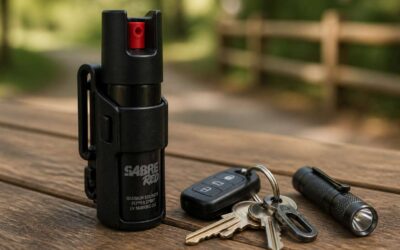
- Compact safety gear and reliable alarms
- Online libraries, webinars, and community forums

0 Comments