
Squirrel deterrents and pepper spray strategy
Effectiveness and safety considerations
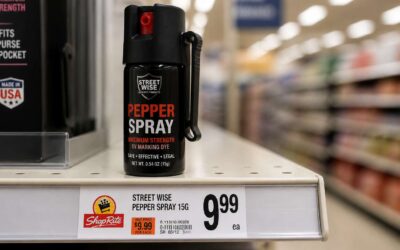
“Gardeners in South Africa know one thing for sure: a seed can spark a season-long standoff,” quips a Cape Town gardener. The pepper spray for squirrels carries theatrical flair, but its effectiveness depends on wind, weather, and the quirks of urban wildlife.
Effectiveness varies; some yards see brief relief, others habituate quickly. Safety considerations loom large: impact on non-target animals, pets, and neighbours, plus the risk of drift. The aim is a measured portion of deterrence, not a miracle cure.
To balance practicality and ethics, consider these principles:
- Legal and humane considerations in your area
- Protecting pets and non-target wildlife
- Combining barriers with deterrents and monitoring results
Ultimately, pepper spray for squirrels remains one tool among many—context, ethics, and ecological balance shape its place in South African gardens.
Legal and safety considerations
In urban South Africa yards, one bold squirrel can rewrite your outcomes by noon. Squirrel deterrents need a calm, layered approach—pepper spray for squirrels is just one piece of the puzzle, designed to deter without disturbing the broader urban ecosystem. Legal checks in your area matter, and differences between municipalities can affect what you can deploy and how you store it.
Key considerations include:
- Legal checks in your area
- Protecting pets and non-target wildlife
- Combining barriers with deterrents and monitoring results
Safety first: guard against drift, respect wind, and avoid exposure to pets and birds. The approach prioritizes humane, non-target safety and neighbourly relations, ensuring deterrence sits within a balanced garden ecology.
Application techniques and practical tips
In urban South Africa yards, one bold squirrel can rewrite your outcomes by noon. Pepper spray for squirrels is a tool, but it works best as part of a layered plan—I’ve watched the same drama play out from my window.
Applied with care, this deterrent should be used as a targeted, habitat-based cue—focusing on accessible chewed zones and promising hideouts while avoiding wind drift and non-target creatures. Think of it as part of a garden-wide deterrent mosaic, not a solo performance.
- Pair with barriers such as netting or fencing
- Monitor results and adjust placements
- Keep pets and birds out of treatment zones
With municipal rights observed, you protect neighbours and wildlife while maintaining a balanced urban ecology.
Comparisons and alternatives
A single bold squirrel can rewrite your outcomes by noon, and urban gardens know the punch of that tail first-hand. In South Africa’s cities, deterrence is best practiced as a tasteful mosaic, not a solo stunt—strategies layered like a good matinee performance.
pepper spray for squirrels belongs in the deterrence cabinet as a measured, last-resort cue—used sparingly and with awareness of wind and neighbours. It sits alongside practical barriers and habitat shaping, a trio that curates access rather than punishes ground-zero hotspots.
- netting over vulnerable beds
- fine fencing and hardware cloth
- motion-activated sprinklers or lights
- selective plantings that dissuade foraging
When the scene shifts, results are clearer: observe, adapt placements, and maintain a humane urban ecology without theatrics.

0 Comments