
Pepper spray basics and how it works
What pepper spray is and its active ingredient
Pepper spray is a compact self-defence tool that delivers a fast-acting irritant. It releases oleoresin capsicum, a capsaicinoid extract derived from chili peppers, into the air and onto the eyes. When sprayed, it causes burning, tearing, coughing, and temporary disorientation, buying precious seconds to escape. People often ask: can pepper spray make you blind; the effects are usually temporary, focused on the eyes and breathing passages, not permanent damage. In South Africa, legality and storage vary, so understanding basics matters.
- Active ingredient: oleoresin capsicum (OC), derived from chili peppers
- Typical formulation includes propellants, solvents, and carrier fluids
- Dispenser types: aerosol, stream, or gel
Understanding the basics helps assess safety, legality, and effectiveness in real-world use.
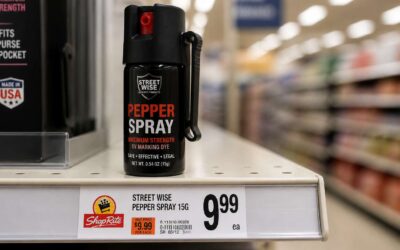
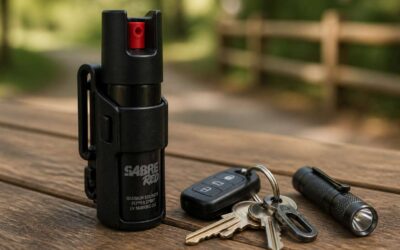
Delivery formats and typical can sizes
In a world where seconds decide safety, a quick spray can buy precious escape time. “Every second counts,” a safety trainer in South Africa often says. can pepper spray make you blind; the concern is real, but the effects are usually temporary—burning eyes, tearing, and disorientation rather than lasting damage.
Pepper spray basics and how it works: it releases a capsaicinoid irritant that targets the eyes and airways, triggering a protective reflex and a rapid retreat.
Delivery formats and typical can sizes are designed for everyday carry:
- Aerosol
- Stream
- Gel
Common can sizes range from compact 7.5 g pocket sprays to 20 g units, letting users balance portability with reach in crowded urban settings.
How pepper spray affects the eyes and respiratory system
Across South Africa’s bustling streets and quiet townships, seconds decide safety. This raises the question: can pepper spray make you blind?
Pepper spray works by delivering a capsaicinoid irritant that inflames the eyes and airways, prompting tearing, burning, and a reflexive retreat. The effects on the eyes are dramatic but usually temporary: stinging lids, inflamed conjunctiva, and slowed vision as eyelids squeeze shut.
- Eye burning, tearing, and blinking
- Constricted airways and coughing
- Disorientation and temporarily blurred vision
The body recovers quickly, underscoring that lasting damage is uncommon, though safety hinges on prompt retreat and seeking shelter.
Common formulations and their irritation levels
Across South Africa’s streets, pepper spray sits as a compact distress signal—small in size, outsized in impact. Can pepper spray make you blind? Not in the sense of permanent blindness. The irritant provokes a fierce, temporary assault on the eyes—stinging lids, tearing, and a reflexive squeeze shut that buys you space to escape.
- Water-based sprays: broad reach and rapid onset of eye irritation
- Oil-based solvents: longer-lasting residue with intensified local effects
- Gel formulations: focused reach, reduced drift, potent eye irritation
- Foam variants: lighter mist with quicker evaporation and user-friendly handling
Even with variation, the core question remains: can pepper spray make you blind? Temporary vision impairment is common, but permanent blindness is not the intended or typical outcome. In most cases, the discomfort eases as the body returns to baseline.
Onset and duration of effects
In South Africa’s crowded streets, a compact pepper spray can feel like a lifeline—a quick, portable alarm that tips danger toward escape. The question can pepper spray make you blind? Not in the sense of permanent blindness; the eyes endure a fierce, temporary onslaught that passes with time. Onset is rapid, with tearing and burning often starting within seconds to a minute.
Onset and duration hinge on formulation and exposure. Most people experience a peak of irritation quickly, followed by gradual relief over minutes to tens of minutes.
- Formulation type and spray pattern
- Distance from the target and amount released
- Ventilation and humidity
Tempers the lens of the moment: the threat is a temporary disruption, not a lasting blemish. Permanent blindness is not the intended outcome of ordinary use.
Eyes and tissue: irritation and exposure risks
Immediate signs of exposure in the eyes
In South Africa’s crowded streets, a sudden sting can seize your senses in an instant. Some safety analyses show up to 25% of pepper spray exposures produce immediate vision disruption. can pepper spray make you blind? is the kind of question that lingers as tears blur a passing moment into fear!
Eyes and tissue bear the brunt of the irritant. Immediate signs of exposure in the eyes include:
- Teary, burning eyes with gritty sensation
- Redness and swelling of the eyelids
- Difficulty keeping them open or focusing
- Light sensitivity and blurred vision
Beyond the ocular surface, surrounding tissues—conjunctiva and the corneal front—may swell, producing a gritty, aching sensation. I sense that the body’s response hints at how swiftly sight can falter, even in controlled spaces, inviting deeper reflection on vulnerability.
Why pepper spray causes burning, tearing, and temporary vision changes
In South Africa’s crowded streets, a sudden spray can rewrite a moment in an instant. can pepper spray make you blind? The question lingers as tears blur a passing moment into fear, and the air seems to thicken with heat and sting. I’ve stood on a city pavement where the sting sharpens perception and then, suddenly, softens. The eyes and surrounding tissue bear the brunt of the irritant, even in everyday safety spaces.
Within the eye, the tissue most affected includes:
- Conjunctiva — the thin membrane that coats the eyelids and eyeball
- Corneal epithelium — the front surface that meets every blink
- Surrounding lids and periocular tissue — the supportive barrier around the eye
Burning, tearing, light sensitivity, and a temporary shift in focus can follow. The sensation may feel like a bright sting that slowly eases, reminding us that the gaze is a delicate signaling system powered by the body’s defense, not a permanent surrender of sight.
Factors that increase risk to the eyes and face
In the bustle of a Cape Town street, a sudden pepper spray burst can redraw a moment in the blink of an eye. The eyes and surrounding tissues take the hit first—burning, tearing, a dizzying heat that travels along the lid margins and into the gaze. This raises a blunt question: can pepper spray make you blind?
Eyes are built for quick perception, but exposure risk spikes with how close the spray lands, wind direction, and the duration of contact. I’ve seen how a moment’s misdirection can alter a walk home. Additional risk factors include wearing contact lenses, dry or inflamed eyes, makeup, or facial sweat that helps the irritant spread. Understanding these nuances helps explain why protection and awareness matter.
- Proximity and wind
- Spray duration on skin
- Contact lenses or makeup
- Dry or irritated eyes
Symptom severity and when to seek medical help
Eyes are a delicate stage where a sudden pepper spray burst can stage a brief calamity. The lashes, lids, and surface bear the first burn—tearing, stinging, a heat that crawls along the lid margins and into the gaze. Proximity, wind, and the duration of contact raise exposure risk; even a momentary encounter can ignite a storm of irritation!
The question can pepper spray make you blind is less about folklore and more about optics. While most effects are temporary, intense exposure can injure the cornea or provoke stubborn tearing and light sensitivity, potentially distorting vision briefly. Symptom severity guides care: seek medical help if pain, blurred vision, or redness persists beyond minutes or escalates.
- Blurred vision or ongoing eye pain
- Persistent tearing, redness, or discharge
- Light sensitivity that lasts more than about 20 minutes
First steps if exposure occurs on skin, clothes, or surfaces
In densely populated spaces across South Africa, pepper spray episodes flare into brief, bright alarms of tearing and heat. Readers often ask, ‘can pepper spray make you blind’ and the answer is nuanced—temporary irritation rather than a permanent eclipse of sight.
The eyes and tissue bear the initial onslaught; the corneal surface, lid margins, and tear glands endure the first burn, yielding stinging, watering, and light sensitivity. First steps if exposure occurs on skin, clothing, or surfaces help limit further irritation:
- Skin contact: minimize additional contact and avoid rubbing
- Clothing: remove contaminated garments to prevent re-exposure
- Surfaces: isolate the area and reduce lingering residues
Most irritation fades as the body resets its equilibrium, yet the memory of the sting lingers in texture and light. The scene shifts quickly when the environment is calm and contact is curtailed.
Health risks and safety considerations
Potential injuries including temporary or rarely permanent effects
In South Africa, pepper spray is a common personal safety tool, but health risks exist. Effects vary by exposure, environment, and individual sensitivity. Some ask: can pepper spray make you blind? Most exposure causes temporary burning, tearing, and blurred vision that fade within minutes to hours. In rare cases, corneal irritation or superficial eye injury can occur, sometimes affecting vision briefly. Environmental factors can influence spread and intensity, underlining why context matters more than bravado in self-defense.
For those asking can pepper spray make you blind, here are potential injuries:
- Temporary burning, tearing, and blurred vision lasting minutes to hours.
- Corneal irritation or mild abrasions causing longer-lasting discomfort.
- Rare but serious chemical burns or eye injuries requiring medical care.
Overall, risk remains a function of exposure and individual susceptibility.
Effect on contact lenses, glasses, and sensitive eyes
For readers wondering can pepper spray make you blind, the risk isn’t mythic, but real and highly contextual. Contact lenses can trap irritants against the cornea, intensifying burning and causing sharper, longer-lasting blur. Glasses may offer a barrier, but spray can still wisp under frames, smearing lenses and annoying the eye—hardly ideal in a tense situation. Sensitive eyes, allergies, or dry-eye sufferers often report amplified discomfort and longer recovery when exposure occurs.
Health risks here hinge on exposure magnitude and personal susceptibility. Those wearing contact lenses or sensitive to light should expect milder symptoms to escalate more quickly than non‑users. In South Africa’s varied climates, environmental factors can influence spread and intensity, underscoring why context matters more than bravado in self-defense.
Interactions with pre-existing eye conditions
Health risks are not purely theoretical; exposure is highly contextual. can pepper spray make you blind? The short answer is nuanced: for most people the effect is temporary irritation, but pre-existing eye conditions can tilt the scale toward sharper, longer-lasting discomfort.
Interactions with pre-existing eye conditions can complicate responses. People with glaucoma, keratitis, or chronic conjunctival irritation may notice more intense burning or slower recovery than others, especially in windy or dusty South African climates that intensify exposure’s reach.
- glaucoma or other optic-nerve sensitivities
- corneal scarring or recurrent keratitis
- autoimmune eye diseases (e.g., uveitis)
In any case, personal susceptibility and environmental context matter, shaping a markedly different experience across South Africa’s varied weather and microclimates.
First aid and decontamination steps
In South Africa’s bustling streets and open plains, the question “can pepper spray make you blind” carries weight beyond a quick headline. For most people the effect is temporary irritation, but pre-existing eye issues can tilt the balance toward sharper, longer-lasting discomfort.
Interactions with pre-existing eye conditions can complicate responses. People with glaucoma, keratitis, or autoimmune eye diseases may notice more intense burning or slower recovery, especially in windy, dusty South African environments where exposure lingers near the eyes.
Health risks and safety considerations depend on context and access to care. First aid and decontamination steps are best guided by medical professionals: prioritize reducing exposure and seek prompt evaluation rather than improvising at home. Avoid rubbing the eyes and monitor symptoms closely.
- Common signs include burning, tearing, and temporary vision changes
- Pre-existing conditions can worsen outcomes for some individuals
- Seek medical help if symptoms persist or worsen
When to contact poison control or a healthcare provider
In many urban settings, the question can pepper spray make you blind surfaces in conversations about safety. Some ask: can pepper spray make you blind? Generally no, but exposure can cause temporary vision changes. Health risks vary: for most people, eye irritation is temporary; however, pre-existing eye issues such as glaucoma or keratitis can tilt the balance toward sharper symptoms. Even in windy, dusty environments, exposure lingers near the eyes.
When to contact poison control or a healthcare provider:
- Symptoms persist beyond 30 to 60 minutes or worsen
- Severe burning, eye pain, blurred or reduced vision
- Exposure involves children, older adults, or individuals with known eye conditions
In South Africa, timely professional advice matters; seek evaluation promptly rather than waiting for self-remedies. If uncertain, contact your local poison control or healthcare provider.
Legal, safety, and myths surrounding pepper spray
Legal status and permissible use in different regions
Across South Africa, safety concerns color everyday life, and a discreet shield has entered the dialogue. In many communities, a single statistic holds fast: 1 in 3 women report feeling unsafe after dark. I’ve watched pepper spray become a talisman for many, a delicate sparkle of agency amid the bustle!
Legal status and permissible use differ by region and by local by-laws, shaping how and when pepper spray may be carried. The question can pepper spray make you blind surfaces in conversations about risk; the honest tale is that exposure typically yields temporary burning and tearing, not lifelong vision loss.
- Legal status varies by region and municipality.
- Safety myths persist; side effects are typically temporary.
- Myth-busting: eye exposure is serious but usually not permanent with proper handling.
Beauty and danger mingle in every decision about safety, tempered by responsibility.
Self-defense ethics and guidelines
Across South Africa, a stark reality frames every safety decision: 1 in 3 women report feeling unsafe after dark. Can pepper spray make you blind? This fear sits at the edge of every cautionary tale, but the risk is usually fleeting—burning and tearing rather than permanent vision loss.
Legal status varies by region and by by-laws. In many municipalities, possession is permitted under clear conditions, with penalties for misuse. Safety concerns are real; eye exposure is alarming, but permanent blindness is unlikely when products are used and stored responsibly. Myth-busting note: eye exposure is serious but rarely permanent.
Self-defense ethics remind us that tools must be used with restraint and accountability. Proportionality, necessity, and respect for bystanders anchor every decision.
- Proportionality in response
- Clear threat assessment
- Accountability for outcomes
Common myths about permanent blindness and long-term damage
Legal status varies by region and by by-laws. In South Africa, possession is permitted under clear conditions, with penalties for misuse. Verify your municipal rules, buy from reputable brands, and store pepper spray securely to prevent accidents or unintended exposure.
Public safety myths abound. can pepper spray make you blind? The short answer: permanent blindness is unlikely; most exposure causes burning, tearing, and temporary vision changes. Eye irritation is serious—seek medical advice if symptoms persist.
- can pepper spray make you blind? Reality: permanent blindness is rare; symptoms are temporary and typically resolve on their own.
Best practices for safe handling, storage, and training
Public safety debates abound in South Africa, and the question can pepper spray make you blind crops up in casual chats and policy discussions. Legally, possession and use hinge on municipal by-laws and clear conditions; penalties await misuse. The good news is that permanent blindness is a rare outcome, especially when products are regulated, stored securely, and used within the law.
- Store out of reach of children and in a location compliant with local rules.
- Check expiry dates and replace cans as needed to ensure reliability.
- Seek manufacturer-approved training to understand safe handling and responsible use.
- Choose reputable brands and inspect cans for damage before any access.
Training and awareness are key to dispelling myths and reducing risk. By prioritizing legality, responsible handling, and ongoing education, communities stay safer and individuals feel prepared without sensational claims.
Where to find reliable safety resources and guidance
Public safety debates in South Africa churn like a storm, and the nagging question can pepper spray make you blind resurfaces in casual chats and policy debates. A blunt truth from regulators and trainers: legitimate safety guidance dispels fear faster than sensational headlines. “Facts outlive fear,” as a seasoned trainer says, and the right resources clarify legality and safety more cleanly than any urban legend.
Here are reliable avenues for guidance:
- Official municipal by-laws and policing portals with safety standards
- Manufacturer safety manuals and training programs
- Accredited safety courses and self-defense training providers
- Public health bodies and poison information centres
Myths persist, but credible resources debunk them. Always verify information with official sources, and rely on authorities for up-to-date guidance. By leaning on official sources, communities stay safer.
0 Comments