
Pepper Spray Fundamentals and Functionality
What Pepper Spray Is
Across urban streets, pepper spray acts as a decisive pause between threat and escape. A 2023 safety survey cites pepper spray reducing physical confrontations in about 78% of reported incidents, a statistic that lingers for those weighing options. This is the essence of pepper spray fundamentals: a compact canister delivering a fast-acting irritant to create space and time to retreat. why pepper spray? Because it blends deterrence with restraint, a pragmatic, non-lethal stance for personal safety in South Africa!
- Active ingredient: capsaicin (OC) induces tearing, coughing, and disorientation
- Delivery: cone, stream, or fog to suit stance and wind
- Range and safety: roughly 2–4 meters with safeguards against accidental discharge
These elements translate threat into a fleeting window for safe withdrawal.
How Pepper Spray Works to Stop Threats
Pepper spray slows threats by creating space in seconds. A 2023 safety snapshot shows it reduces physical confrontations in roughly 78% of reported incidents, turning danger into a manageable pause. So why pepper spray? It blends deterrence with restraint, a pragmatic, non-lethal stance for personal safety in South Africa.
Active ingredient capsaicin (OC) triggers tearing, coughing, and disorientation. Delivery comes in cone, stream, or fog to suit wind and stance. Range is roughly 2–4 meters, with safeguards against accidental discharge.
These mechanisms convert threat into a fleeting window for retreat, keeping space between you and harm. That combination balances deterrence with the ability to disengage.
- Cone
- Stream
- Fog
Common Formulations and OC Concentrations
Pepper spray is a pocketable tool that buys you seconds when danger looms. A sharp reminder from SA safety voices: deterrence with restraint beats bravado every time. Here’s the answer to why pepper spray fits a balanced approach to personal safety.
Common formulations span aerosols, gels, and foams. In practice, OC concentrations typically range from 0.18% to 1%, and in my experience professional blends edge toward 2% for stronger deterrence. Delivery patterns include cone, stream, or fog to suit wind and stance.
- Cone for broad coverage
- Stream for longer reach
- Fog for close quarters
The true appeal lies in converting threat into a controlled pause, a practical then retreat—why pepper spray remains a pragmatic, non-lethal stance for personal safety in South Africa.
Debunking Myths About Pepper Spray
“Deterrence with restraint beats bravado every time,” SA safety voices insist, and pepper spray embodies that creed. This pocketable tool buys seconds to retreat or summon help, turning threat into a controlled pause rather than a rush.
Myth-busting in practice matters. The reality of pepper spray rests on balance and timing—not magic. This is where why pepper spray comes into play: it provides a deterrent at close range without escalating harm.
- Myth: It works instantly. Reality: effectiveness depends on wind and distance.
- Myth: It is lethal. Reality: it’s non-lethal and designed to disable briefly.
- Myth: It must hit the eyes. Reality: aim to create space for escape.
In the South African context, pepper spray offers a measured response in crowded urban spaces, turning danger into a pause and enabling safe disengagement.
Safety, Legalities, and Responsible Use
Legal Status by Region and Restrictions
Danger can arrive on quiet streets, and readiness often decides the outcome! A clear fact that resonates is: presence matters as much as options. This is why pepper spray matters for personal safety and peace of mind. When used, it’s about defense, not aggression, and restraint keeps everyone safer.
Legalities vary by region and are nuanced in South Africa. Even where possession is allowed, there are restrictions on sale, transport, and display; always verify local rules before carrying. Key realities include:
- Regional variation in allowed use
- Age or licensing where required
- Venue and transit restrictions
Responsible use means ongoing awareness and respect for others. Training isn’t optional; it sharpens judgment and helps avoid escalation. Store pepper spray securely and dispose of it through proper channels. A measured, lawful approach protects everyone and preserves trust in everyday safety.
Age Requirements and Carrier Rules
Safety is the space between threat and response, and in South Africa’s streets that space is precious. “Preparation is the real shield,” a security professional often says. Pepper spray offers rapid, non-lethal deterrence—a momentary pause that slows a tense encounter.
Legalities differ by region, and South Africa sits in a nuanced landscape where possession may be allowed but sale or transport are restricted. This is the core of why pepper spray remains a practical choice for many—yet understanding local rules is essential to ensure safety and compliance.
- Age restrictions may apply
- Certifications or training may be recommended
- Transport and display restrictions
- Venue limitations and public-access considerations
Responsible use rests on ongoing awareness, respect for others, and training that sharpens judgment. Secure storage and lawful disposal become part of a measured approach, as do age requirements and carrier rules guiding how pepper spray is kept—with readiness, restraint, and responsibility.
Safe Storage, Carry Methods, and Maintenance
On South Africa’s streets, a moment’s delay can tilt toward danger or safety. This is why pepper spray matters—the rapid, non-lethal deterrent that buys precious seconds for assessment and escape. Readiness comes from secure storage and a calm, prepared mindset.
Legalities vary by province, and possession may be lawful while sale or transport is restricted. Understanding local rules, age requirements, and carrier guidelines keeps protection legal and effective. That is why pepper spray remains a practical choice for many.
Responsible use hinges on awareness, respect for others, and maintenance that keeps gear ready without misuse. Safe Storage, Carry Methods, and Maintenance deserve deliberate attention to safeguard both user and public spaces.
- Safe Storage
- Carry Methods
- Maintenance
Ethical Considerations and De-Escalation Principles
Seconds tilt risk toward safety. A calm mind plus a quick deterrent can steer a tense moment toward escape. This is why pepper spray matters—it buys crucial seconds for assessment and a safe exit. Awareness and secure handling turn danger into a manageable, safer street moment.
Legalities vary by province and context, even in South Africa. Possession may be lawful while sale or transport is restricted. Understanding local rules, carrier guidelines, and age requirements keeps protection legal and effective.
Responsible use hinges on awareness, respect for others, and maintenance that keeps gear ready without misuse. Ethical considerations demand weighing necessity against harm, and de-escalation principles should guide every encounter. The aim is deterrence, not escalation, and to disengage when safe to do so.
Practical Applications and Real-World Scenarios
Self-Defense Situations and Decision Making
On South Africa’s city streets, practical safety hinges on clear choices under pressure. This section explores how pepper spray fits into real-world scenarios—commutes, late shifts, and crowded markets—where a split second can change a route from routine to risky. Readers discover why pepper spray remains a measured option for personal safety, balancing deterrence with responsible use. The focus is on assessment, not bravado, and on making decisions that keep options open while avoiding escalation!
- Distance to threat and escape routes
- Environmental factors such as crowd density and wind
- Legal considerations and bystander safety
In practice, preparation—awareness, easy access, and a calm, de-escalative mindset—supports safer outcomes. The aim is to support safe movement through public spaces, respecting others while maintaining personal boundaries.
Public Spaces and Travel Safety Tips
On South Africa’s city arteries, a single decision can flip a walk from routine to risk, especially as dusk settles and shadows lengthen. This is the question many South Africans ask: why pepper spray fits practical travel safety.
- Distance to threat and escape routes
- Environmental factors such as crowd density and wind
- Legal considerations and bystander safety
Preparation means staying alert, keeping the option within reach, and maintaining a steady, de-escalatory mindset. Across commutes, late shifts, and crowded markets, these factors shape safer navigation. The aim is to move through public spaces with composure, respect for others, and clear personal boundaries.
Training, Practice, and Confidence Building
One split-second decision can turn a routine walk into risk. In South Africa’s city arteries, practical safety relies on preparation, not luck. why pepper spray is a straightforward choice that deters threats, preserves space, and buys precious seconds to get to safety. Training that mirrors real commutes helps people respond with calm, clear boundaries, and measured assertiveness rather than panic.
- Scenario-based training that mirrors daily commutes
- Consistency builds fast recall and reduces hesitation
- Confidence grows when practice translates to calmer decision-making
Real-world practice isn’t about looking flashy; it’s about steadiness and space. With regular refreshers, travelers move through markets, stations, and sidewalks with a steady posture, respectful boundaries, and a readiness to choose safety.
After-Action Steps and Incident Reporting
Across South Africa’s bustling routes, practical safety is a habit, not a whim. Explaining why pepper spray is a straightforward choice becomes clear when a split second could turn a routine walk into risk. It preserves space, signals boundaries, and buys precious seconds to reach safety. In this context, preparation, calm decision-making, and measured assertiveness form the backbone of everyday safety.
- Transit hubs, markets, crowded sidewalks
- Maintaining space and clear boundaries
- Post-incident reflection and reporting
Real-world practice prioritizes steadiness over show. After an incident, concise notes, location, time, and witnesses create a reliable record that supports both personal safety and community awareness. Regular reflection helps readers translate practice into calmer decision-making during future commutes across South Africa’s city arteries.
Ultimately, safety thrives at the intersection of preparation, responsibility, and respect for others’ space. In this landscape, tools like pepper spray serve as a measured option that preserves autonomy without escalating conflict.
Choosing the Right Pepper Spray and Accessories
Understanding OC Concentration, Range, and Spray Pattern
The right pepper spray can be a turning point in a tense moment. In South Africa’s urban spaces, a compact, responsibly chosen device can buy crucial seconds. “The right pepper spray is about precision, not power,” a safety trainer insists, guiding every selection.
Choosing starts with understanding OC concentration, range, and spray pattern. Lower concentrations work for casual carry; higher ones deliver quicker onset in crowded spaces. Look for a reliable mist or cone and a practical reach for typical environments.
- OC concentration and formulation
- Range and spray pattern
- Carry accessories and holsters
In South Africa, the best fits combine legal compliance with portability, reliability, and a discreet profile that travels from jobsite to transit hub. This is part of why pepper spray matters for everyday safety in busy South Africa.
Delivery Formats: Keychain, Pocket, and Devices
In urban shadows where neon bleeds into rain, fear can pause time. Recent safety surveys show one in three city workers feel unsafe after dark. This is the question of why pepper spray has become a practical pocket talisman for South Africans navigating crowded streets. We know precision matters more than volume, and a well-chosen device becomes a quiet ally in a tense moment.
Delivery formats shape how you deploy safety in minutes, not moments.
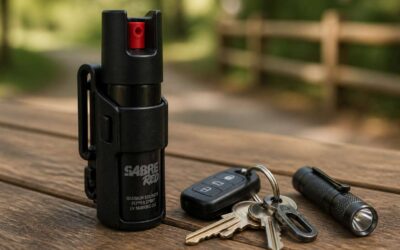
- Keychain sprayers for rapid access
- Pocket devices that vanish in plain sight
- Holster-friendly options for belt or bag carry
A discreet carry inspires confidence and calm—quietly, during the storm.
In South Africa, prioritize legal compliance, portability, reliability, and a discreet profile that travels from jobsite to transit hub. A compact device can buy crucial seconds.
Brand Reputation, Certifications, and Independent Testing
From the shadowed streets to the glow of neon, choosing pepper spray is a pact with trust. This is why pepper spray matters; a brand’s spine—the long arc of reliability, after-sales support, and honest communication—speaks louder than glossy packaging. In South Africa, where every pocket carries a whisper of risk, a respected name can transform a tense moment into one of quiet control.
Certifications that travel with the product—SABS, ISO-like standards, or equivalent safety marks—are badges you can trust. Look for independent testing results that confirm label claims, OC concentration, and spray reach. A few lines of proof save bruising on practice days and dissension in the field.
To guide your selection, scan for these indicators:
- Proven brand lineage and ongoing product support
- Verifiable Certifications (SABS, regulatory marks)
- Independent testing reports with current batch data
- Transparent safety data sheets and labeling
Shelf Life, Replacement Options, and Refills
In South Africa’s crowded streets, readiness is a posture you carry, not a mood you borrow. This is why pepper spray—even more than the glossy packaging—matters in a moment of tenseness and sudden noise! The question that lingers for many is: why pepper spray? Because you want a reliable, immediate tool that buys you seconds to step back, assess, and relocate to safety.
Choosing effectively means weighing shelf life, assurance of replacement options, and practical refills.
- Shelf Life: check expiry dates and storage guidance—cool, dry, away from heat.
- Replacement Options: confirm manufacturer guarantees and retailer policies.
- Refills: ensure compatibility with your canister model and cost per spray.
With the right checks, you keep confidence close at hand, ready to respond calmly rather than react blindly.
Frequently Asked Questions and SEO Insights
Common Misconceptions About Pepper Spray
Safety isn’t a gimmick; it’s a pocket-sized argument for preparedness. In South Africa, pepper spray is the practical, legal ally many urban dwellers keep close. The underlying question driving readers is why pepper spray—because clarity beats chaos in real-life confrontations.
SEO insights show readers move from ‘what does it do?’ to ‘is it legal here?’—so this FAQ and misconceptions brief dissects effects and legality without sensationalism. Common misperceptions include thinking it’s instantly lethal or illegal everywhere; the reality is temporary irritation and regional nuance.
- Q: What does pepper spray do to eyes and airways? A: It causes irritation, tearing, coughing, and temporary incapacity, not permanent damage.
- Q: Is pepper spray legal to carry in South Africa? A: Rules vary by province and venue; check local legislation first.
- Q: How long do effects last? A: Effects are temporary, typically minutes, depending on formulation and exposure.
Effectiveness in Different Weather and Environments
“Clarity beats chaos,” the old mentor would say, and in South Africa’s crowded sidewalks that clarity hinges on why pepper spray—the question readers return to when night air bites and nerves fray.
Weather and environment shape what people search for. Winds, humidity, and indoor versus outdoor spaces color the FAQ’s relevance and the SEO pulse, so the content speaks to readers who wonder about effects, legality, and safety across SA climates.
- Outdoor wind regimes and gusts can shift how questions about dispersion and exposure are framed.
- Humidity and heat influence perceived irritation, altering queries about duration and comfort.
- Ventilated interiors versus open streets steer which legal and safety angles readers expect to see.
These weather-aware nuances align the content with the actual intent behind the phrase, boosting engagement without sensationalism.
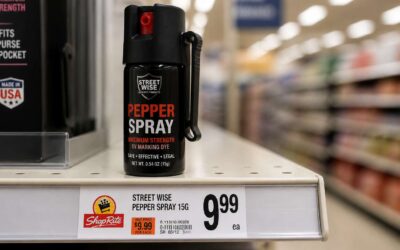
Cost, Availability, and Value for Money
‘Clarity beats chaos,’ the old saying whispers as South Africa’s streets hum. Readers who search for safety tools often ask why pepper spray, what it costs, where to buy, and how its value stacks up. This FAQ-friendly slice of content dives into the role of pepper spray for peace of mind and SEO alike.
Here are FAQs shaping cost, availability, and value:
- Cost ranges for common sizes and profiles in South Africa
- Availability across retailers, both brick-and-mortar and online
- Value signals: build quality, durability, and refill options
From an SEO lens, these questions reflect intent: affordability, access, and what offers real value in everyday life. In SA, consumers weigh not just price but trust, warranty, and vendor reputation, which informs how we structure content and keywords to meet readers where they are.
0 Comments