
NYC Pepper Spray Legal Framework
Legal framework and regulation
In a city that never sleeps, a simple spray becomes a study in balance between personal safety and public risk. The question why is pepper spray illegal in nyc often arises, but the truth is more nuanced: pepper spray is regulated, not banned outright.
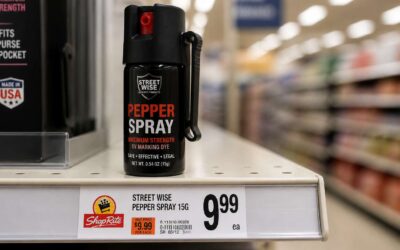
New York City treats pepper spray as a regulated self-defense tool, with rules on who may purchase it, where it can be carried, and what products are allowed. The framework deters misuse while acknowledging legitimate safety needs, a model echoed in urban policy discussions across continents, including South Africa.
- Eligibility: typically 18+ with compliant purchases
- Usage: limited to self-defense and not permitted in certain public settings such as schools
- Sales: sold through vetted retailers with clear labeling and safety requirements
Understanding these elements helps explain the careful balance NYC seeks to strike between individual protection and communal welfare.
Historical and policy context
In a city that never sleeps, safety is a currency negotiated daily. Pepper spray sits as a regulated tool, not a banished artifact, a distinction that keeps debates precise and lively. This tension often prompts the question why is pepper spray illegal in nyc, a phrase that signals nuance.
Historically, NYC’s stance grew from late-20th-century debates about street safety, crowd dynamics, and policing. The modern regime emerged as a tapestry of compromise—recognizing legitimate self-defense while constraining excess—rather than a simple ban.
For South African readers, the arc offers a cautionary mirror: regulation as risk management, not moral absolutes. It shows how urban safety thrives on balance, wit, and the patience to let policy breathe.
Practical implications and risks
“Safety is a currency negotiated daily.” In NYC, pepper spray sits in a legal gray—regulated, not banned, and the question why is pepper spray illegal in nyc surfaces with a cautious shrug. For South Africa readers, the arc resonates: regulation as risk management, not moral absolutes.
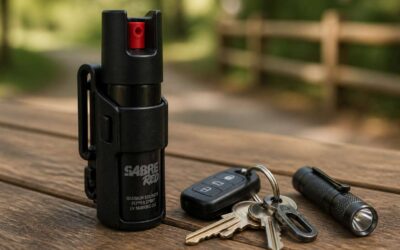
Beyond the letter of the law, practical implications shape daily choices. Possession is bounded by age and approved retailers, with strict canister size limits. Transit and storage demand care; a misstep can trigger a legal snag or show up on a background check.
- Retail compliance and proof of age
- Transit on buses and subways
- Penalties for misuse or unregistered devices
Risks include misreading a confrontation and accidental exposure in crowded spaces. The balance remains delicate, preserving safety while avoiding escalation.
Navigating the legal landscape and resources
Safety isn’t a lottery ticket; it’s a ledger you carry through the city. In New York, pepper spray sits under careful watch, a tool allowed in specific contexts but tethered to rules that shape daily use and storage.
For readers asking why is pepper spray illegal in nyc, the answer lives in official guidance rather than rumor. Official resources set out the framework in state statutes and city codes, guiding what counts as lawful possession, labeling, and transit.
- New York State government websites (ny.gov) for statutes on chemical irritants
- New York City government pages (nyc.gov) and the NYPD Patrol Guide for tool definitions
- Legal aid and public policy organizations offering plain-language summaries
Through these sources, the landscape becomes legible: a balance where personal safety and public space coexist, underscoring that clarity beats ambiguity in a crowded metropolis.
0 Comments