
Understanding Pepper Spray and Its Mechanisms
What pepper spray is and how it works
A punchy reality check anchors this talk about personal safety on a rural lane in South Africa: protection is a quiet, trusted companion that follows you from dusk to dawn. In discussions about readiness, people ask where is pepper spray in ready or not, and what it does.
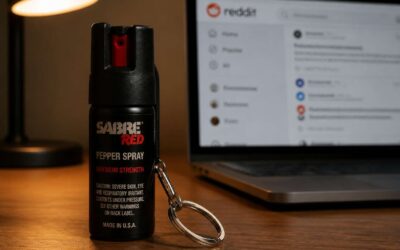
Pepper spray is a compact canister loaded with capsaicinoids—the spicy compounds that wake the senses. When released, they inflame eyes and airways, triggering tears, a burning sensation, coughing, and a reflex to blink. The burn is temporary, but the moment can feel forever. I’ve seen neighbors use it with calm.
- Active ingredient: capsaicinoids that irritate mucous membranes
- Immediate responses: tearing, coughing, blinking
- Duration: brief but intense, creating distance
Understanding these elements invites a calmer, more informed view of personal safety in everyday life.
Common types and dispersal formats
Effects on the body and duration of action
In tense moments, pepper spray can feel like a last-resort talisman. On South Africa’s streets, the sting arrives faster than a heartbeat and clarity comes on its heels. where is pepper spray in ready or not, sparks reading and introspection about safety and response.
Understanding its mechanism reveals why the eyes burn, tears flood, and breathing becomes labored within seconds, while cognition snaps toward safety. The following points outline the immediate experience:
- Immediate sensory barrage: burning eyes, tearing, coughing, and temporary vision impairment
- Onset and peak: effects begin within seconds to minutes, peaking quickly
- Duration and variability: most irritation lasts about 15–60 minutes, depending on concentration and exposure
Beyond the initial sting, residual sensitivity can linger, and individual factors such as wind, humidity, and proximity influence how long the effects persist.
Myths and misconceptions about pepper spray
In South Africa, street safety narratives pulse with urgency: incidents of harassment have risen by over 18% in the last year, turning pepper spray into a whispered talisman in crowded spaces. where is pepper spray in ready or not surfaces in heated conversations, revealing a blend of curiosity, doubt, and practical concern.
- Myth: It instantly incapacitates an attacker with a single squirt.
- Myth: Wind or distance never diminishes its effectiveness.
- Myth: Effects are identical for everyone.
Understanding its mechanism debunks fantasies: capsaicinoids irritate eyes and airways, triggering tearing, coughing, and temporary clarity loss. Onset is rapid, but duration varies with concentration, exposure, and environment—less drama, more physics.
Safety, Carry, and Everyday Readiness
Legal considerations by region and jurisdiction
Safety first is a practical discipline, not a trend. A common refrain is that ‘Safety is a habit you practice daily.’ In city life, pepper spray is one shield among many, designed to deter, not to harm unduly.
Carrying pepper spray requires respect for law and context. In many places, where is pepper spray in ready or not becomes a question of local rules, venue policies, and responsible ownership. The aim is readiness without escalation.
In the South African urban fabric, readiness means situational awareness and mindful preparation. It is noted that legal considerations by region and jurisdiction shape what can be carried, where travel is permitted with it, and how a person should present themselves.
- Regulatory landscape varies by region
- Venue restrictions differ
- Municipal policies may apply
When to deploy pepper spray and de-escalation tips
In South Africa’s urban maze, readiness isn’t a trend—it’s a daily craft. “Safety is a habit you practice daily,” the street sage says, and that discipline pays off at every late-night crossing.
Carry means lawfulness, venue policies, and common sense. So where is pepper spray in ready or not in your toolkit when you thread through transit hubs and markets? Local rules keep you sharp, not reckless.
Everyday readiness hinges on situational awareness and mindful preparation. Municipal quirks, venue restrictions, and respectful presentation shape what you carry and how you carry it, turning anxiety into controlled poise.
When to deploy pepper spray and de-escalation tips: treat pepper spray as a last resort, rely on verbal warnings, and seek a clear exit.
- Maintain calm, speak clearly, and establish boundaries
- Create distance and monitor escape routes
- Escalation avoidance: signal help and exit when possible
Carrying options and quick-access design
Urban South Africa hums with neon and risk, and safety has become a daily craft rather than a lucky break. “Safety is a habit you practice daily,” the street sage insists. I’ve learned this by walking these streets at night, keeping thoughts steady as crowds move and doors slide shut.
Carry means lawfulness, venue policies, and common sense. So where is pepper spray in ready or not in your toolkit when you thread through transit hubs and markets? Local rules keep you sharp, not reckless, and they shape how you present yourself in public spaces.
Everyday readiness hinges on situational awareness and mindful preparation. Municipal quirks, venue restrictions, and respectful presentation influence what you carry and how you carry it, turning anxiety into controlled poise. The concept of carrying options and quick-access design underpins the rhythm of your daily journeys, quietly inviting confidence rather than bravado.
Training routines and practice drills
Safety isn’t a lucky break; it’s a daily craft, especially as South Africa’s streets glow with neon and risk. A sharp mind beats bravado every time. “where is pepper spray in ready or not” becomes part of the inner checklist—lawfulness, awareness, and steady nerves.
Carrying options must ride the line between legality and practicality. In transit hubs and markets, local rules shape your presentation; it’s not bravado, it’s situational literacy. Respect for venue policies keeps you sharp rather than reckless, and your daily routine stays on track across the city.
Everyday readiness hinges on simple, repeatable routines rather than dramatic gestures. Training emphasizes awareness, calm breathing, and respectful posture—drills that translate to real streets without shouting or panic.
- Stay near exits
- Scan surroundings
- Maintain a measured voice
Storage, Maintenance, and Safe Handling
Safe storage practices to prevent accidental discharge
Storage begins with a secure, locked cabinet, kept cool and out of direct light. For those asking where is pepper spray in ready or not, position it in a dedicated spot that deters curious hands while remaining quickly reachable in an emergency. In South Africa, clear labeling reinforces readiness without inviting clutter or confusion.
Safe storage practices to prevent accidental discharge include:
- Store upright in the original housing with the safety cap engaged.
- Keep in a cool, dry place away from direct heat and chemicals.
- Install a simple lockable cabinet or use a securing strap to prevent unauthorized access.
Maintenance involves regular inspections for dents, corrosion, or leakage and replacing the unit before the expiration date. Safe handling means keeping the spray out of reach of children and ensuring it is not exposed to heat, with a quick check of the seal and label before carrying it.
Maintenance and replacement timelines
South Africa’s urban pace makes readiness essential. “where is pepper spray in ready or not” matters when it counts. Stored upright in its original housing with the safety cap engaged, it rests in a discreet spot that stays out of curious hands yet remains accessible in an emergency. Clear labeling keeps things simple.
Maintenance is a quiet, ongoing duty: expect periodic checks for dents, corrosion, or leakage and plan replacement before the expiry date. Treat it as part of the home’s risk-management rhythm, not a chore, and keep a simple record to guide renewals.
Safe handling means keeping the spray away from children and heat exposure. Before carrying it, confirm the seal and label. The aim is a calm, prepared mindset that respects the device’s purpose and protects everyone involved.
Handling around pets and children
Storage is the hush between incident and certainty, a practical heartbeat of readiness: where is pepper spray in ready or not? It becomes a quiet compass, guiding placement in a discreet, secure spot that respects curiosity while keeping guardianship intact.
Maintenance travels softly through a home, a guardian of trust. Expect periodic checks for wear and the cadence of replacement as expiry approaches, part of the risk-management rhythm that steadies a busy SA household without drama.
Safe handling around pets and children becomes a shared language of respect and awareness. In homes where wagging tails and tiny fingers mingle, the device is treated as a quiet emblem of readiness, guiding boundaries rather than opportunities for hazard.
What to do after exposure
Storage: In the South African home, the question where is pepper spray in ready or not becomes a quiet oath of preparedness. Place it in a discreet, secure spot away from heat.
Maintenance: Regular checks preserve reliability. Inspect for corrosion or leaks and track expiry dates. Replace per guidance, rotate stock, and keep an orderly SA household log.
Safe Handling: Treat pepper spray as a ready emblem, not a toy! Keep it out of reach of children and pets; handle calmly and avoid waving or pointing casually.
- Keep out of reach of children
- Check expiry dates regularly
- Store in a cool, dry place
What to do after exposure: If exposure occurs, seek medical guidance and move to fresh air; rinse with water and monitor symptoms.
Legalities, Compliance, and Responsible Use
Overview of federal, state, and local regulations
Regulation is a maze, and pepper spray sits at its center. For readers wondering where is pepper spray in ready or not, the path begins with layered rules that shape every purchase, carry, and moment of use: federal baseline, state twists, and local bylaws. It’s not just about possession; it’s about accountability.
Here are the pillars of compliance that keep the conversation grounded:
- Federal standards on labeling, packaging, and cross-border sale of protective sprays
- State or provincial rules on possession, age limits, and storage
- Local bylaws about carry in public spaces and venues
- Responsible-use expectations tied to training and de-escalation
Beyond rules, responsible use is a posture of awareness, humility, and respect for bystanders. It asks for ongoing consideration of consequences and a commitment to safety that extends beyond the moment of potential threat.
Age and eligibility requirements
Pepper spray sits at the crossroads of policy and prudence. In South Africa, where is pepper spray in ready or not? It is permitted for personal protection, but not a license-free pass; possession carries age thresholds and strict storage rules, and the moment of use invites legal accountability.
Compliance hinges on clear boundaries and practical safeguards.
- Age eligibility: typically a minimum age (often 18) to possess or purchase.
- Safe storage: locked container, away from children and heat.
- Transport and venue rules: keep it out of reach of unauthorized users and respect local restrictions on public spaces.
Responsible use is a practiced posture of awareness and empathy; training and de-escalation remain essential, ensuring safety for bystanders beyond the moment of threat. The aim is confidence without bravado, precision without recklessness, accountability without panic.
Penalties and civil liability for misuse
In South Africa, the question where is pepper spray in ready or not isn’t a riddle but a rulebook, a boundary between protection and peril. It sits at policy’s crossroads—age gates, safe storage, and deployment limits—because the moment it leaves the can invites accountability.
Legalities anchor compliance and responsible use. Penalties for misuse range from criminal charges to civil liability, while improper storage invites claims for damage.
- Criminal charges and fines for unlawful use
- Civil liability for injuries or property damage
- Disciplinary consequences
This framework guards bystanders and preserves order.
Responsible use is a vigil kept in darkness: training, de-escalation, and awareness. It demands respect for bystanders and a clear line between defense and excess, for every action carries consequences beyond the moment of threat, echoing in courts and communities alike.
Best practices to ensure compliance and reporting
South Africa’s pepper spray regulations draw a clear line: protection and accountability. A seasoned safety officer once warned that protection without accountability is fantasy. For readers asking where is pepper spray in ready or not, the answer rests on governance, not bravado, and on strict storage and handling norms.
Compliance hinges on documented policies, training validation, and transparent incident reporting. Possessing equipment is not enough—readiness, auditable procedures, and ongoing oversight ensure alignment with South African law and corporate guidelines.
- Documentation and record-keeping for training and incidents
- Clear reporting channels for any use or near-use event
- Routine compliance reviews and storage audits
Responsible use emerges through de-escalation emphasis, ongoing education, and respect for bystanders—anchoring accountability in every action.


0 Comments